Global Inspiration. Local Luxury
Global Inspiration. Local Luxury
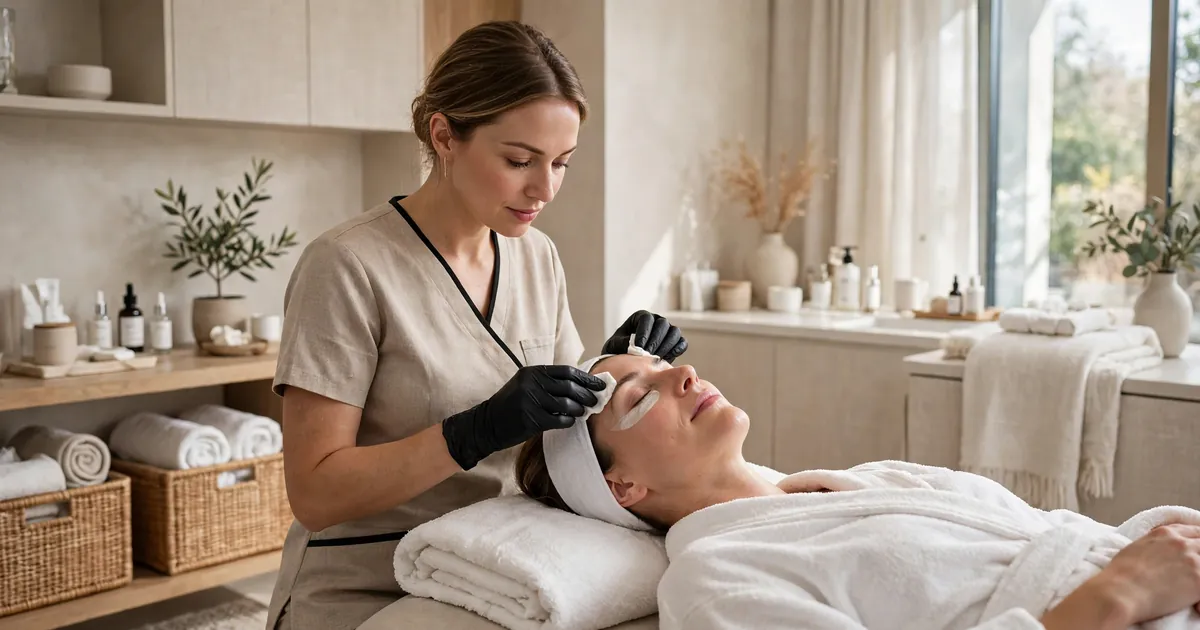
It usually starts with a photo. You’re laughing at something, someone snaps the picture, and later you notice a few lines fanning out from the corners of your eyes that didn’t seem to be there last year. Or it’s the bathroom mirror at 7 a.m., when your concealer settles into creases you never really thought about before.
If you’ve been searching for how to get rid of fine lines around eyes, you’re in good company. The eye area is often the first place people notice change, and it’s one of the most common concerns we hear from clients at our Merrick skin clinic. There’s a lot you can do about it. Not everything sold for this problem works as well as the packaging suggests, though.
Here’s a clear look at why these lines form, what at-home care can realistically handle, and which in-clinic treatments make a visible difference.
The skin around your eyes is some of the thinnest on your body, and it has fewer oil glands than the rest of your face. It’s also almost always moving. You blink thousands of times a day, and every smile, squint, and laugh folds that skin in the same places.
Over time, a few things add up. Collagen and elastin, the proteins that keep skin firm and springy, start to decline gradually in your mid-twenties. Sun exposure speeds that process up, and UV damage is one of the biggest drivers of visible skin aging. Dryness makes everything look more pronounced, because dehydrated skin creases more easily and holds onto those creases longer.
It also helps to know which kind of line you’re looking at. Dynamic lines appear when you make an expression and soften when your face relaxes. Static lines stay visible even at rest. Most people have some of both, and the difference matters because each type responds to different treatments.
Completely normal. Eye wrinkles at 30 are one of the most common reasons people book their first consultation with us, and they rarely mean you’ve done anything wrong.
On Long Island, years of summer days at Jones Beach, afternoons on the water, and squinting into the glare without sunglasses tend to show up right at the outer corners of the eyes. Add long hours on screens, a few too many short nights, and skin that holds less moisture than it did at 22, and those first fine lines make sense.
Noticing early is actually an advantage. Early lines respond well to treatment, and it’s much easier to soften fine lines and support collagen now than to try to reverse deeper creases a decade from now.
A good routine is the foundation of any plan for the eye area. Here’s what earns its place:
Daily sunscreen. A broad-spectrum SPF 30 or higher, every day, all year. Yes, that includes November. A gentle mineral formula is usually more comfortable near the eyes, and a good pair of sunglasses does double duty by blocking UV and cutting down on squinting.
A retinoid. Retinoids are among the most researched topical ingredients for fine lines because they encourage cell turnover and support collagen over time. The eye area can be sensitive, so look for a formula made for it, start a couple of nights a week, and build slowly. If you’re pregnant or nursing, check with your doctor first.
Real hydration. Hyaluronic acid, ceramides, and peptides help skin hold moisture, which can make lines look softer and less crepey.
Gentler habits. Remove eye makeup without tugging, try not to rub your eyes, and protect your sleep when you can.
Now for what a routine can’t do. Most eye creams work mainly by hydrating the surface, which can soften the look of lines for a few hours. That’s worth having. But no cream can rebuild meaningful collagen in the deeper layers of skin or erase a line that has been settling in for years. If you’ve tried three different eye creams with little to show for it, that isn’t a failure on your part. It’s simply the limit of what topicals can reach.
That’s where professional treatment makes the difference.
There isn’t one best treatment for eye wrinkles that suits everyone. The right choice depends on whether your lines are dynamic or static, how your skin tends to respond, how much downtime fits your schedule, and what you’d like to see in the mirror. Many of our clients get their best results from a combination, planned over a few months. These are the treatments we use most often for the eye area at Skulptd.
A microcurrent facial uses very low-level electrical currents to stimulate the small muscles of the face. The sensation is gentle, often barely noticeable, and there’s no downtime. Clients tend to leave looking more lifted and rested, with the eye area appearing a little brighter and more open.
Microcurrent works best as a series, since results build with consistent sessions and fade without maintenance. It’s a strong fit if you’re in your late twenties or thirties and seeing early lines, if you want to look less tired, or if you have an event coming up and want a refresh without any redness.
Microneedling creates tiny, controlled channels in the skin, which prompts your body’s natural repair process and encourages new collagen and elastin. Around the eyes, your provider adjusts the depth for that delicate skin, focusing on crow’s feet and the fine crepey texture that often shows up underneath.
For anyone looking for a fine lines under eyes treatment with lasting payoff, microneedling with BioTouch is one of our most dependable options. Expect some pinkness for a day or two. Most people do a series of sessions spaced several weeks apart, and because collagen takes time to rebuild, improvements continue for months after the final appointment.
Fotona is a laser platform that combines two wavelengths, which allows your provider to work on both the skin’s surface and its deeper layers in the same visit. Around the eyes, that means smoothing texture, softening fine lines, and gently tightening skin that has started to look thin or crinkled. Many eye area protocols involve little to no downtime, depending on the settings used.
Fotona is especially helpful for static lines and crepiness that have stopped responding to products alone. Fall and winter are also an ideal time to start laser treatments on Long Island, since you’re spending less time in strong sun while your skin recovers.
Sometimes the best place to start is with the basics done exceptionally well. Our anti-aging facial combines careful exfoliation, deep hydration, and targeted ingredients chosen for your skin. You’ll see an immediate softening of fine lines thanks to the boost in moisture, and over time regular facials keep skin in better condition to respond to everything else you’re doing.
It’s a comfortable first step if you’re new to professional treatments, and an easy way to maintain results between microneedling or laser sessions.
Every face tells a slightly different story. Someone in their early thirties with light crow’s feet might do well with a series of microcurrent facials, regular anti-aging facials, and a consistent SPF habit. Someone with more set-in lines and crepey under-eye skin might benefit more from a series of microneedling or Fotona treatments, followed by periodic maintenance.
If your lines appear mostly when you smile or squint, it’s worth knowing that neuromodulators are another option some people consider for movement-driven wrinkles. That’s a conversation to have with a qualified provider, and it often works well alongside the collagen-focused treatments above.
Whatever direction you choose, set realistic expectations. Good treatment softens lines, improves texture, and helps you look like a well-rested version of yourself. Results vary from person to person, and the most natural-looking outcomes usually come from a thoughtful plan rather than a single appointment.
Many people notice their first fine lines in their late twenties or early thirties. Collagen gradually declines from the mid-twenties on, and the thin, active skin around the eyes tends to show it first. Sun exposure, squinting, and dryness can make lines appear earlier.
Eye cream can help, but it rarely fixes fine lines on its own. A good formula hydrates the skin and can soften the look of lines for a while, and ingredients like retinoids support collagen gradually. For lines that are visible even when your face is relaxed, professional treatments usually make a more noticeable difference.
It depends on the treatment and on your skin. Microneedling and Fotona laser are typically done as a series of a few sessions spaced several weeks apart. Microcurrent results build with regular visits and are kept up with maintenance. Your provider will suggest a realistic plan during your consultation.
Most clients find them very manageable. Microcurrent and anti-aging facials are comfortable and relaxing. Microneedling and Fotona laser can feel warm or prickly, and your provider adjusts settings for the delicate eye area and uses numbing when appropriate to keep you comfortable.
At Skulptd, every treatment plan starts with a conversation. We’ll take a close look at your skin, talk through your routine and lifestyle, and help you understand which options make sense for your lines, your timeline, and your budget. No pressure, and no one-size-fits-all packages.
If those lines around your eyes have been on your mind, we’d love to help. Clients visit us from Merrick and across Long Island for skin care that’s thoughtful, modern, and focused on results you can actually see. Book a consultation at Skulptd and let’s figure out the right approach for you.
This article is for educational purposes only and isn’t a substitute for professional medical advice. Treatment suitability and results vary by individual. Please consult a qualified provider before beginning any new treatment.